NOTES FROM THE OPERATION
Ecommerce Returns: A Refund and Replacement Workflow
Organise ecommerce returns with clear case ownership, refund deadlines, agreed replacements, stock assessment and a practical weekly review.
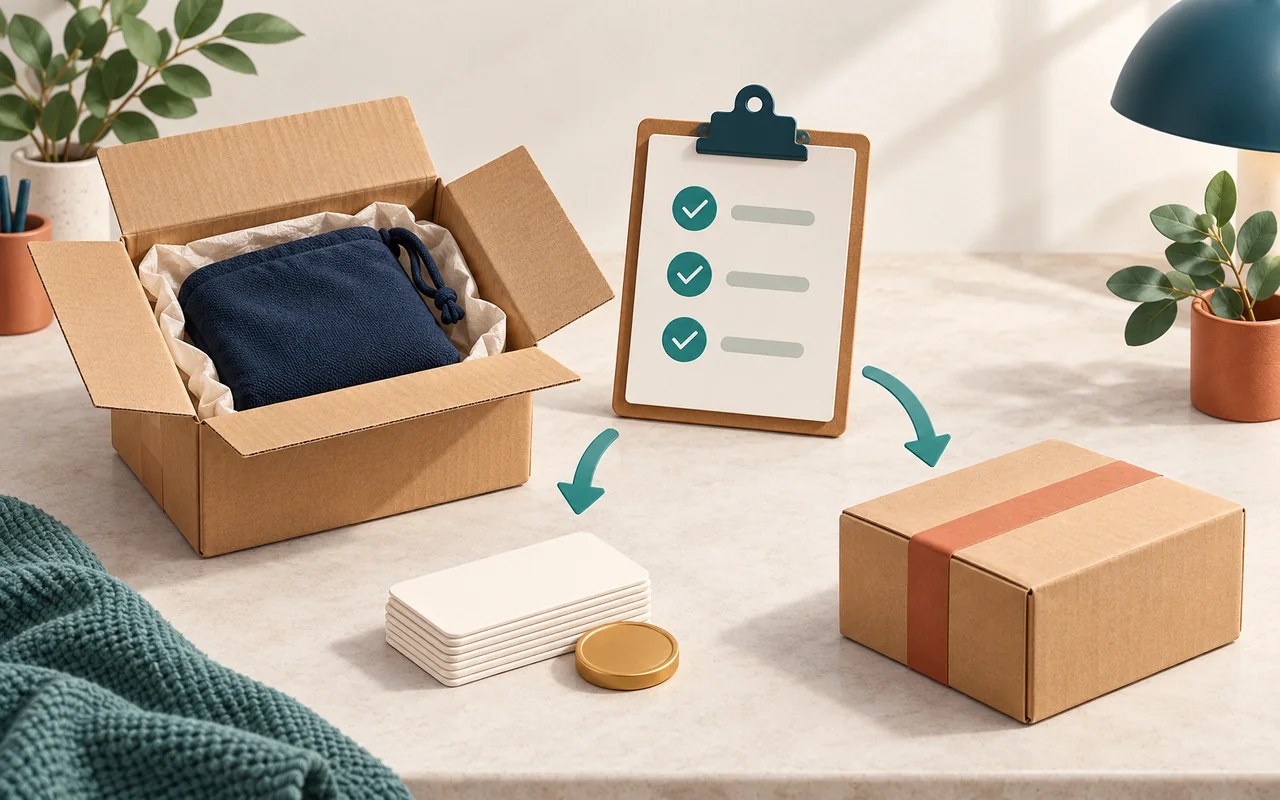
A practical ecommerce returns process gives every case an owner, a deadline and a recorded outcome. Start by understanding the customer's request and the applicable rights, then choose the correct refund, return or agreed replacement route. Keep the customer resolution separate from the later investigation into what went wrong.
This workflow is designed for a small team managing marketplace orders alongside its own online shop.
Capture the case and its deadline
Keep one case record linked to the original order. Record the channel, SKU, quantity, delivery date, reported issue, requested remedy, next action, responsible person and due time. Use the platform's messaging and return tools where required, so the decision remains attached to the transaction.
Classify the issue consistently: wrong item, damage, fault, missing component, description mismatch or change of mind. Do not let an internal reason code override the customer's rights.
The GOV.UK returns and refunds guidance explains online cancellation rights and exceptions. For most eligible online goods, customers can notify cancellation within 14 days of receipt and then have another 14 days to return them. A shop's policy cannot remove statutory rights. Faulty goods require a separate assessment of the applicable remedies.
Check channel deadlines too. eBay's seller returns guidance currently describes three business days to respond and two business days to review and refund after a returned item arrives. Follow the case instructions and any applicable legal deadline; do not assume one timetable covers every channel.
Choose a resolution without creating pressure
- If a refund or return is due, explain the next step clearly and arrange the required process.
- If the customer wants a replacement, confirm the exact variation, availability, delivery expectation and any return arrangements.
- Offer an alternative item only with the customer's agreement. Describe any differences and price implications before dispatch.
- Escalate an unclear or disputed case promptly, while keeping its deadline visible.
Troubleshooting can help identify a missing accessory or installation issue, but it must not become an obstacle to a remedy the customer is entitled to. Do not require someone to close a platform case or surrender refund rights to receive assistance.
A replacement decision example
Illustrative example: a customer reports receiving a large blue pouch instead of the small green version ordered. The case owner checks the order and confirms the picking error.
The correct small green pouch is available. The customer is offered a replacement with clear return arrangements and accepts it. The team reserves the correct unit, records the agreement, verifies the pick and adds tracking to the case. If the customer prefers an available refund route instead, the team follows that route without repeated attempts to change their mind.
The separate stock investigation checks whether the wrong item was picked, the bin contents were mixed or the order-to-SKU mapping was incorrect. See the inventory discrepancy guide for that investigation.
Receive returns into a controlled area
Do not automatically put every returned unit back into saleable stock. Match it to the case, check its identity and condition, and record whether it is saleable, awaiting assessment or unsuitable for resale. Keep unresolved or potentially unsafe products separate.
Customer resolution and internal assessment should run in parallel where possible. An internal inspection queue must not cause a missed refund deadline. Record the refund confirmation or replacement dispatch and tell the customer what has happened.
Review causes as well as completed cases
Review overdue cases daily. In a weekly review, compare returns by SKU, issue and channel against the relevant fulfilled-order volumes. A raw count alone can make a high-selling product look worse than it is.
Choose a specific corrective action: clearer compatibility information, a better picking check or stronger packaging. Assign an owner and review whether the same issue recurs. The daily fulfilment workflow helps connect those changes to dispatch work, rather than leaving returns as an isolated inbox task.